
Executive Summary
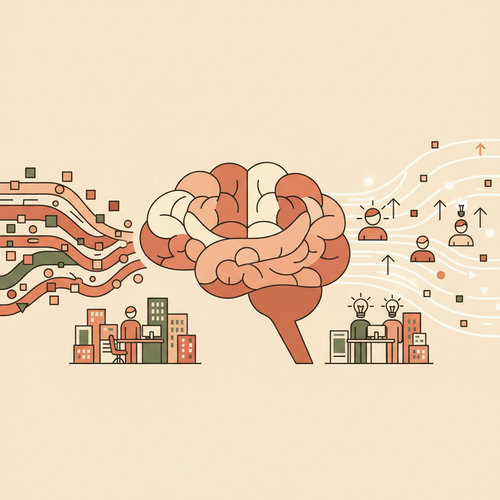
- Algorithmic knowledge ecosystems fundamentally transform human capital optimization strategies.
- Modern global enterprises leverage machine learning for predictive talent acquisition.
- Strategic operational implementation demands rigorous data governance and ethical oversight.
The Strategic Imperative of Algorithmic Human Capital Optimization
Traditional human capital analytics typically operate entirely in retrospect. They review historical performance metrics without foresight. These legacy systems fail to provide vital predictive operational insights. Modern global enterprises strictly demand proactive workforce management strategies. Unpredictable macroeconomic volatility punishes inefficient corporate resource allocation. Optimizing human capital permanently remains a critical strategic enterprise imperative. Organizations must extract maximum financial value from their personnel. Algorithmic solutions provide the exact necessary structural operational framework. They rapidly transform raw organizational data into actionable strategic intelligence. This seamless data orchestration enables highly informed strategic decision-making. Global market dominance requires unparalleled internal operational agility. Advanced algorithmic knowledge ecosystems deliver this exact competitive advantage. Explore fundamental human capital economic valuation principles for baseline context.
Connecting Talent Metrics to Enterprise Valuation
Human capital optimization directly impacts total overarching enterprise valuation. Efficient workforces generate higher revenue per employee metrics. Reduced attrition significantly lowers continuous recruitment capital expenditures. Chief Financial Officers now view talent as dynamic measurable assets. Advanced algorithms quantify this exact operational workforce productivity reliably. This quantitative approach aligns human resources with core financial objectives. Shareholder equity grows when internal operational friction decreases. Algorithmic intelligence identifies and eliminates these invisible productivity bottlenecks. Corporate balance sheets reflect these optimized human capital deployments quickly. Long-term institutional financial survival depends on this strategic alignment.
Deconstructing the Algorithmic Knowledge Ecosystem Architecture
An advanced algorithmic knowledge ecosystem comprises several highly interdependent layers. Robust data ingestion pipelines form the absolute foundational architecture. These computational pipelines process massive volumes of internal corporate data. Advanced machine learning models aggressively analyze this consolidated information continuously. Sophisticated feedback mechanisms refine predictive accuracy over time. Seamless internal data orchestration remains the vital systemic backbone. These immensely powerful enterprise systems ingest truly vast data quantities. They rigorously analyze both structured and completely unstructured underlying employee data. Structured data includes specific compensation histories and quantitative performance scores. Unstructured data presents significantly more complex analytical challenges.
Processing Unstructured Enterprise Data
Unstructured data hides incredible operational workforce insights. This category includes textual performance reviews and project feedback notes. It also encompasses anonymized internal corporate communication patterns. Advanced systemic architectures securely parse these complex qualitative inputs continually. They extract deep latent insights regarding overall organizational health. This allows executives to measure actual ground-level operational reality. Raw data transforms into structured analytical formats systematically. This crucial computational step enables advanced subsequent algorithmic modeling.
Natural Language Processing in Sentiment Analysis
Natural Language Processing dominates qualitative human capital data analysis. Elite computational algorithms seamlessly analyze massive global employee text inputs. This artificial intelligence securely identifies deeply latent organizational operational friction. Proprietary computational intelligence algorithms map intricate structural productivity patterns. They accurately discern highly complex invisible underlying systemic causal relationships. This profound underlying predictive capability remains paramount for strategic foresight. Sentiment analysis gauges overarching corporate morale in real-time. It detects early warning signs of systemic employee burnout. Executive leadership receives immediate alerts regarding departmental stress levels. Proactive management interventions prevent catastrophic organizational talent hemorrhaging.
Predictive Analytics and Employee Attrition Modeling
Predictive algorithmic models drastically reduce absolutely critical employee turnover rates. These advanced statistical models utilize complex survival analysis techniques. They analyze historical corporate attrition data to identify risk factors. The algorithms flag specific high-value employees as distinct flight risks. Management receives precise quantitative flight risk probabilities immediately. This vital foresight enables immediate targeted retention interventions. Replacing elite technical talent costs millions in lost operational productivity. Algorithmic Human Capital Optimization prevents this massive capital destruction securely. The financial return on investment for attrition models is immense.
Algorithmic Skill Gap Identification Frameworks
Advanced computational algorithmic skill gap analysis becomes incredibly statistically precise. Elite global enterprises proactively address severe future talent deficits. Static traditional job descriptions fail in rapidly evolving global markets. Algorithms map adjacent technical skills across the entire workforce. They identify latent employee capabilities suited for emerging technological requirements. This advanced strategic statistical foresight ensures continuous peak operational capability. Optimized structural human capital allocation significantly reduces technical recruitment lead times. Enterprises upskill existing employees rather than launching expensive external searches. This dynamic internal mobility builds massive overarching corporate resilience.
Strategic Implementation and API Integration Architectures
Successful global deployment of algorithmic knowledge ecosystems necessitates extreme structure. Highly controlled phased systematic enterprise rollouts mitigate costly initial risks. Strict gradual corporate implementation allows valuable iterative real-world systemic refinement. Massive global corporations frequently begin with highly targeted isolated pilots. These strategic initial programs target specific critical vulnerable business units. This structural isolation heavily minimizes widespread operational disruption. Early verifiable computational algorithmic success builds essential internal corporate confidence. Dedicated internal executive champions aggressively drive overarching global organizational adoption. Overcoming massive complex structural enterprise integration challenges remains critical.
Overcoming Legacy Human Capital Management Friction
Massive isolated structural internal enterprise data silos impede unified visibility. Archaic legacy systems actively restrict structural technical interoperability. Highly complex systems require incredibly careful foundational technical API integration. Modern cloud architectures must communicate with legacy on-premise databases. Seamlessly overcoming massive core technical integration hurdles demands absolute operational discipline. Dedicated engineering teams must build robust custom data connectors. This infrastructure ensures uninterrupted data flow into the algorithmic engine. Systemic data latency completely destroys real-time predictive analytical value. Therefore, instantaneous data synchronization represents a strict technical requirement.
Establishing Robust Data Governance Protocols
Flawlessly interoperable data ensures algorithms yield highly optimal predictive results. Elite structural enterprise architects must heavily prioritize initial fundamental data hygiene. Garbage data input mathematically guarantees garbage algorithmic intelligence output. Organizations must establish strict master data management operational protocols. These protocols dictate exact standards for data entry and maintenance. Automated data cleansing scripts remove duplicate or erroneous personnel records. Continuous internal data audits verify overarching structural database integrity constantly. Clean data provides the necessary foundation for advanced statistical modeling. Without it, algorithmic Human Capital Optimization completely fails.
Quantifying Financial ROI in Human Capital Management
The core strategic value proposition lies in quantifiable financial impact. Enhanced structural organizational quantitative metrics demonstrate tangible absolute financial returns. Review foundational return on investment calculation methodologies for deeper insight. Predictive modeling directly reduces exorbitant technical recruitment agency fees. Employee Lifetime Value mathematically optimizes through personalized developmental career paths. Advanced systems flawlessly identify extremely high-potential critical individual performers. They instantly programmatically recommend bespoke highly accelerated optimal corporate growth opportunities. Total overarching foundational systemic global corporate enterprise productivity skyrockets immediately. Executive decision-makers constantly receive real-time fundamental workforce capability insights.
| Operational Financial Metric | Traditional HR Analytics | Algorithmic Optimization |
|---|---|---|
| Key Talent Retention Rate | Highly reactive lagging methodology | Proactive predictive algorithmic retention |
| Workforce Skill Gap Identification | Slow manual subjective evaluation | Predictive quantitative capability mapping |
| Strategic Project Staffing | Inefficient manual resource allocation | Fully optimized automated data execution |
| New Hire Time-to-Productivity | Highly variable extended timelines | Accelerated consistent systemic output |
Mitigating Algorithmic Bias in Talent Acquisition
Integrating advanced artificial intelligence into human capital decisions demands extreme caution. Critical underlying ethical considerations represent massive systemic global enterprise risks. Algorithmic fairness must remain a paramount core foundational design principle. Unchecked invisible systemic biases hidden within training data multiply rapidly. Flawed initial structural computational datasets perpetuate deep historical corporate inequalities. Machine learning models learn from past biased human hiring decisions. They can inadvertently systematically exclude highly qualified diverse candidate pools. This creates severe reputational and legal risks for global enterprises. Strict mathematical debiasing techniques must be applied to all models.
Implementing Human-in-the-Loop Oversight Mechanisms
Incredibly robust rigorous overarching algorithmic corporate technical audits remain legally indispensable. These highly complex internal processes accurately identify toxic inherent algorithmic biases. Guaranteeing incredibly diverse fundamental mathematical training datasets absolutely prevents systemic failure. Continuous internal overarching algorithmic audits successfully rectify hidden structural model flaws. Establishing strict overarching human-in-the-loop foundational operational oversight offers a vital safeguard. Human corporate executive oversight ensures complex algorithmic recommendations align optimally. Algorithms should augment human managerial judgment rather than replacing it entirely. This synergistic operational approach maximizes both enterprise efficiency and fundamental empathy. Interpretability tools explain exactly why an algorithm made specific recommendations.
Global Regulatory Compliance and Data Privacy Mandates
Maintaining absolute strict fundamental legal systemic operational compliance remains utterly critical. Strict overarching global fundamental international digital data privacy regulations govern operations. The General Data Protection Regulation heavily restricts automated personnel profiling. Citizens possess the legal right to challenge automated algorithmic employment decisions. California Consumer Privacy Act regulations impose similar strict corporate data mandates. Transparency inside complex algorithmic structural decision-making processes securely builds organizational trust. Read official federal guidelines on the EEOC algorithmic fairness initiative thoroughly. Providing clear actionable quantitative structural explanations directly enhances corporate algorithmic governance. Organizations face catastrophic financial penalties for violating these global privacy frameworks.
Advanced Prescriptive Analytics for Enterprise Upskilling
Prescriptive analytics represents the zenith of Algorithmic Human Capital Optimization. These systems go beyond predicting future skill shortages. They automatically prescribe highly specific learning interventions for individual employees. Micro-learning modules are dynamically assigned based on real-time project requirements. This continuous digital dynamic algorithmic learning paradigm ensures perpetual workforce readiness. Employees receive customized operational training content exactly when they need it. This highly efficient upskilling mechanism eliminates wasted hours in irrelevant seminars. Corporate training budgets deploy with unprecedented surgical financial precision. The entire workforce evolves synchronously with shifting macroeconomic technological demands.
Dynamic Organizational Network Analysis
Organizational Network Analysis maps hidden communication flows within the enterprise. Algorithms analyze calendar metadata and internal messaging frequency securely. This reveals the true informal leadership structure operating behind the organizational chart. Management identifies highly critical central node employees who drive actual collaboration. Losing these specific undocumented key influencers devastates overall departmental productivity. Algorithmic insights allow targeted retention strategies for these invisible corporate pillars. Network analysis also identifies severely isolated employees facing potential burnout. Proactive integration interventions pull these individuals back into productive collaborative workflows.
Sector-Specific Case Studies in Algorithmic Optimization
Leading massive global enterprise organizations demonstrate incredibly tangible financial corporate gains. A global investment bank leveraged deep algorithmic quantitative predictive insights recently. They successfully managed to drastically reduce severe voluntary elite trader churn. The proprietary algorithm identified extreme cognitive load through communication frequency analysis. Management mandated specific operational downtime before critical burnout levels were reached. This specific systemic algorithmic mathematical optimization saved millions in recruitment costs. Trading desk profitability stabilized completely during a period of massive market volatility.
Technology Sector Resource Allocation
Another elite global corporate technology conglomerate aggressively deployed a predictive operational system. This advanced proprietary enterprise algorithm optimized massive highly complex internal engineering teams. The algorithm accurately matched specific individual deep technical coding skills together. It also analyzed underlying psychological team collaboration styles for optimal synergy. Elite enterprise software development core technical project completion rates improved by fifteen percent. Overall overarching fundamental total absolute structural global internal employee satisfaction scores improved. Delivery timelines shrank dramatically due to perfectly optimized human resource allocation.
Future Trajectories: Spatial Computing and Cognitive Load
The future trajectory of algorithmic knowledge ecosystems involves unprecedented technological integration. Spatial computing and augmented reality will transform global corporate training programs. Biometric feedback loops will measure real-time cognitive load during complex tasks. Algorithms will dynamically adjust software interfaces to prevent employee mental fatigue. Hyper-personalized algorithmic corporate enterprise career paths will become universal standard practice. Augmented advanced artificial intelligence will empower managers with elite quantitative decision support. Proactive systemic rigorous quantitative corporate overarching talent forecasting will achieve unprecedented accuracy. Enterprises will anticipate exact specific highly precise future technical workforce needs instantly.
Conclusion
Algorithmic Human Capital Optimization via advanced knowledge ecosystems represents a massive paradigm shift. Elite global enterprises must directly embrace predictive quantitative mathematical operational intelligence today. Advanced computational frameworks foster absolutely unparalleled organizational technical efficiency and workforce resilience. Strict advanced mathematical enterprise operational optimization permanently guarantees a distinct global competitive advantage. Are you truly prepared to transform your complex global enterprise human capital strategy today?