
Executive Summary
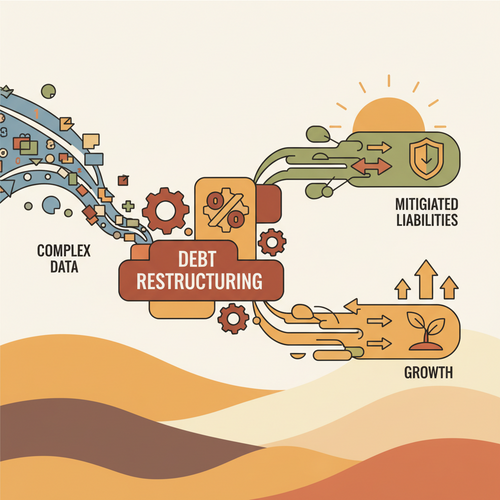
- Algorithmic methodologies are transforming educational debt management.
- These advanced frameworks optimize liability structures through predictive analytics.
- Proactive mitigation strategies enhance institutional stability and borrower outcomes.
Educational Debt as a Distinct Financial Instrument
Educational debt presents unique challenges within financial markets. Unlike traditional consumer loans, its repayment often correlates with future earning potential. This asset-liability mismatch demands specialized handling. Its inherent illiquidity and long repayment horizons further complicate portfolio management. Understanding these nuances is paramount for effective structuring.
The macroeconomic implications are substantial. High educational debt can stifle economic growth. It impacts housing markets and entrepreneurial activity. Institutions and policymakers require sophisticated tools for analysis. Traditional, static approaches often fail to address these dynamic variables adequately. This necessitates innovative, data-driven solutions.
The Paradigm Shift: Dynamic Liability Management Frameworks
Conventional debt structuring relies on static models. These models often overlook individual borrower trajectories. They fail to adapt to evolving market conditions. This leads to suboptimal outcomes for both lenders and borrowers. A paradigm shift towards dynamic liability management is crucial.
Dynamic frameworks leverage real-time data. They continuously recalibrate debt profiles. This proactive stance minimizes default risks. It also maximizes repayment efficiencies. Such agility is impossible with legacy systems. Algorithmic solutions offer unparalleled flexibility. They integrate a multitude of relevant data points.
Limitations of Static Debt Allocation
Static debt allocation models operate on fixed parameters. They typically assess creditworthiness at a single point in time. This ignores significant life events impacting repayment capacity. Job changes, health issues, or family circumstances are often neglected. Such models quickly become obsolete, increasing systemic risk.
Furthermore, static models cannot incorporate macroeconomic shifts. Interest rate fluctuations or employment market changes are critical. Their inability to adapt drives inefficiencies. This creates considerable drag on overall portfolio performance. Modern financial engineering demands dynamic recalibration.
Core Algorithmic Architectures for Debt Optimization
Advanced algorithms underpin effective debt optimization. Stochastic optimization models are particularly powerful. They account for inherent uncertainties in future cash flows. These models simulate various economic scenarios. They then identify the optimal debt servicing strategy. This minimizes long-term liability exposure.
Predictive analytics also plays a critical role. Machine learning algorithms forecast borrower behavior patterns. They identify individuals at higher risk of default. This allows for targeted intervention strategies. Early engagement can prevent costly delinquencies. Behavioral economics principles are increasingly integrated.
Expert Insight: “Integrating adaptive learning algorithms enables real-time portfolio adjustments, drastically enhancing risk mitigation post-origination.”
Integrating Bayesian Inference and Monte Carlo Simulations
Bayesian inference refines predictions based on new evidence. This continuous learning process improves model accuracy over time. It is invaluable for long-term debt liabilities. Monte Carlo simulations explore potential outcomes. They model thousands of repayment scenarios. This provides a robust understanding of risk distributions.
These sophisticated techniques move beyond simple correlation. They establish causal links where possible. This deep insight informs more effective mitigation tactics. It allows for highly customized repayment plans. Such personalization benefits both the borrower and the financial institution.
Data-Driven Predictive Modeling in Debt Portfolio Analytics
Robust data-driven models are indispensable. They process vast datasets on borrower demographics. Academic performance, employment history, and credit scores are analyzed. This comprehensive approach builds holistic borrower profiles. The resulting insights enable precise risk stratification.
Natural Language Processing (NLP) is also emerging. It analyzes unstructured data, like loan officer notes. Sentiment analysis can flag potential issues early. This provides qualitative context to quantitative data. The synergy enhances predictive power considerably. Granular data is the foundation of superior analytics.
For more detailed information on predictive analytics, consult Investopedia’s definition of Predictive Analytics.
Machine Learning for Early Warning Systems
Machine learning models function as advanced early warning systems. They detect subtle anomalies in repayment behavior. These deviations often precede actual defaults. The system can then trigger proactive outreach. This might include financial counseling or repayment plan adjustments. Such interventions improve recovery rates.
Supervised and unsupervised learning techniques are both deployed. Supervised models are trained on historical default data. Unsupervised models identify new, unforeseen risk clusters. This dual approach ensures comprehensive risk coverage. It significantly strengthens the institution’s defensive posture.
Regulatory Compliance and Ethical Considerations
Algorithmic debt structuring operates within a complex regulatory landscape. Adherence to consumer protection laws is paramount. Fair lending practices must be strictly maintained. Algorithms must avoid discriminatory outcomes. Bias detection and mitigation are continuous operational requirements.
Transparency in algorithmic decision-making is also critical. Explainable AI (XAI) is gaining traction. It allows stakeholders to understand model rationale. This builds trust and ensures accountability. Ethical AI governance frameworks are becoming industry standards. Compliance extends beyond mere legality.
Market Warning: “Failure to address algorithmic bias proactively can result in significant reputational damage and severe regulatory penalties.”
Ensuring Algorithmic Fairness and Explainability
Algorithmic fairness requires careful design. Models must be tested for disparate impact across demographic groups. Statistical parity and equal opportunity metrics are employed. Auditing trails for all model decisions are essential. This ensures post-hoc analysis and validation.
Explainability empowers borrowers. They can understand why specific debt terms were offered. This fosters greater engagement and compliance. It moves away from opaque “black box” algorithms. Trust in the system is a critical component of successful debt mitigation. It is not merely a technical challenge.
Blockchain Integration for Enhanced Transparency and Trust
Decentralized Ledger Technologies (DLT), particularly blockchain, offer transformative potential. They can create immutable records of educational debt. Smart contracts automate payment schedules and terms. This reduces administrative overhead significantly. It also eliminates disputes regarding transaction veracity.
Borrowers gain real-time access to their debt status. Every payment and modification is transparently logged. This unprecedented clarity builds profound trust. Institutions benefit from verifiable, auditable data trails. Blockchain integration offers a new paradigm for debt lifecycle management. It enhances security and efficiency.
For a foundational understanding of liability management in financial contexts, refer to Investopedia’s overview of Liability Management.
Smart Contracts for Automated Repayment Structures
Smart contracts execute predefined conditions automatically. Repayment triggers can be linked to income thresholds. Graduation status or employment milestones can also be integrated. This reduces manual intervention. It minimizes human error and increases processing speed. The legal enforceability of smart contracts is evolving rapidly.
These automated structures provide unparalleled flexibility. They can adapt to a borrower’s changing financial situation. This proactive adaptation is a cornerstone of liability mitigation. It moves beyond rigid, unforgiving repayment schedules. This benefits all parties involved in the educational debt ecosystem.
Strategic Risk Management and Scenario Planning
Algorithmic frameworks enhance strategic risk management. They enable sophisticated scenario planning. Institutions can model impacts of recessions or policy changes. Stress testing debt portfolios becomes more granular. This proactive preparation builds resilience against market shocks.
Sensitivity analysis identifies key vulnerability points. Which variables most impact repayment rates? Algorithms quantify these dependencies precisely. This insight informs strategic hedging decisions. It allows for dynamic adjustments to lending criteria. Ultimately, it protects institutional capital and ensures long-term viability.
Conclusion
Algorithmic educational debt structuring represents a critical evolution. It moves beyond static, reactive methodologies. Predictive analytics and advanced optimization deliver superior outcomes. Blockchain integration promises unprecedented transparency and trust. Ethical considerations and regulatory compliance remain paramount.
Institutions must embrace these innovations proactively. They ensure robust liability mitigation. Enhanced borrower support is a tangible benefit. The future of educational finance demands this sophisticated approach. Are your current debt management strategies truly equipped for tomorrow’s challenges?