
Executive Summary
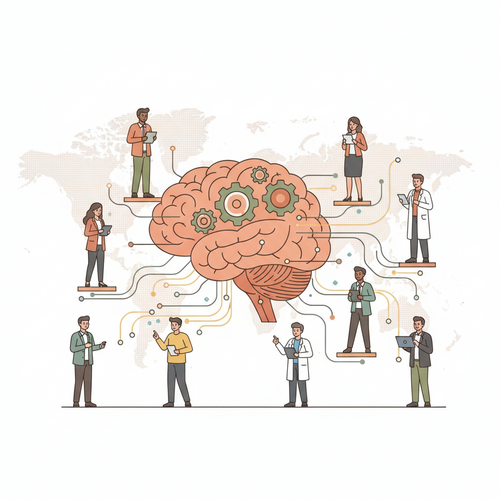
- Algorithmic Intellectual Property (AIP) architecture revolutionizes corporate workforce upskilling by embedding learning directly into operational frameworks.
- This innovative approach leverages existing internal data and proprietary algorithms to deliver highly contextualized, on-demand skill development.
- The “zero-cost” paradigm emphasizes resource optimization, yielding substantial economic advantages through reduced external expenditure and enhanced internal efficiencies.
Defining Algorithmic Intellectual Property Architecture
Algorithmic Intellectual Property (AIP) architecture represents a sophisticated framework. It systematically develops, manages, and leverages an organization’s proprietary knowledge and processes. This architecture integrates advanced algorithms with a firm’s existing digital infrastructure. The objective is to codify human expertise into scalable, executable models.
AIP acts as a strategic asset, transforming tacit knowledge into explicit, shareable formats. It allows for the automated identification and remediation of skill gaps. This proactive approach ensures continuous workforce relevance. Data-driven insights underpin its operational efficacy.
Expert Insight: “The core value of AIP lies in its capacity to transform disparate knowledge silos into a cohesive, actionable learning ecosystem, generating exponential returns on human capital investment.”
Synthesizing Human Capital with Digital Modalities
Workforce upskilling traditionally relies on structured, often external, training programs. AIP architecture disrupts this model. It integrates learning directly into daily operational workflows. This approach minimizes disruption and maximizes knowledge retention.
Proprietary algorithms analyze performance data and project requirements. They then curate personalized learning paths for individual employees. These pathways adapt in real-time. This ensures highly relevant skill development. It effectively transforms internal operations into a dynamic learning environment.
Cognitive automation plays a pivotal role here. It automates the identification of micro-learning opportunities. Employees receive precise, timely interventions. This fosters a continuous improvement culture. It significantly reduces the friction associated with traditional training methodologies.
- Embedded Learning Modules: Micro-lessons delivered within native work applications.
- Adaptive Skill Matrices: Dynamic profiling of employee competencies against project needs.
- Knowledge Graph Integration: Semantic linking of internal documentation and expert contributions.
- Automated Feedback Loops: Algorithmic assessment of skill application and performance.
The Economic Imperative: Justifying Zero-Cost Frameworks
The “zero-cost” designation for AIP upskilling merits precise clarification. It signifies an optimized allocation of existing internal resources. This strategy drastically reduces reliance on expensive external training vendors. Consequently, it minimizes direct financial outlays.
From an operational standpoint, this framework optimizes operational expenditure. It converts potential external costs into internal value creation. The marginal cost of delivering an additional learning module approaches zero. This occurs once the foundational architecture is in place. This economic model offers compelling returns.
Furthermore, it accelerates innovation cycles. Highly skilled workforces contribute to faster product development and market responsiveness. This represents a significant competitive advantage. Avoiding traditional training expenses frees capital for strategic investments elsewhere. It enhances overall corporate agility.
Implementation Paradigms for Enterprise Agility
Deploying an AIP upskilling architecture demands a phased, strategic approach. Initial steps involve a comprehensive audit of existing knowledge assets. This includes internal documentation, project histories, and expert interviews. Identifying critical skill gaps is paramount.
Platform selection is a key decision point. Organizations may leverage existing enterprise resource planning (ERP) or customer relationship management (CRM) systems. These can be extended with custom algorithmic modules. Alternatively, purpose-built internal platforms offer greater control and customization.
Pilot programs are essential for refining the architecture. They validate assumptions and gather user feedback. Iterative development, aligned with agile methodologies, ensures continuous optimization. Scalability must be designed from the outset. This accommodates future workforce expansion and evolving skill requirements.
Market Warning: “Ignoring the cultural integration aspect during AIP deployment will severely hinder adoption. Technology alone cannot drive transformation without active employee engagement and executive sponsorship.”
Mitigating Disruption: Securing Algorithmic IP Assets
The very architecture facilitating upskilling becomes a valuable intellectual property asset itself. Protecting this system is non-negotiable. Robust cybersecurity protocols are essential. They safeguard proprietary algorithms and sensitive employee data. Data governance frameworks must align with global regulatory standards.
Compliance with regulations like GDPR and CCPA is critical. It ensures data privacy and ethical AI usage. Trade secret protection measures are also vital. They prevent unauthorized disclosure of the underlying algorithmic logic. Continuous monitoring and threat intelligence are indispensable.
Establishing clear intellectual property rights for internally generated learning content is crucial. This defines ownership and usage policies. Proactive risk management strategies mitigate potential vulnerabilities. They protect the integrity of the learning ecosystem. This ensures long-term strategic advantage.
Measuring ROI: Quantifying Upskilling Program Efficacy
Quantifying the return on investment (ROI) for AIP upskilling initiatives requires sophisticated metrics. Beyond simple training completion rates, focus shifts to demonstrable performance improvements. Key performance indicators (KPIs) include productivity gains and reduced error rates. Enhanced innovation output is another critical metric.
Measuring time-to-competency for new skills provides direct evidence of program efficacy. Employee retention rates, especially for highly skilled personnel, often improve. This reduces recruitment and onboarding costs. The correlation between upskilling and project success rates offers further validation.
| Metric Category | Key Performance Indicators (KPIs) | Impact on Business Outcomes |
|---|---|---|
| Productivity & Efficiency | Task completion time, Output per employee, Error rate reduction | Accelerated project delivery, Cost savings, Higher quality deliverables |
| Innovation & Adaptability | New product/service launches, Patent filings, Idea generation frequency | Market leadership, Competitive advantage, Future-proofing operations |
| Human Capital Value | Employee retention, Skill gap closure rate, Internal promotion rates | Reduced recruitment costs, Enhanced talent pool, Stronger organizational culture |
Advanced analytics can correlate upskilling activities with specific business unit performance. This provides granular insights. Such data-driven validation strengthens executive buy-in. It justifies sustained investment in the AIP architecture. This transforms human capital into a measurable strategic asset.
Strategic Horizon: The Future of Autonomous Learning Systems
The evolution of Algorithmic IP Architecture points towards increasingly autonomous learning systems. Predictive analytics will anticipate future skill demands. This allows for proactive curriculum development. Machine learning models will optimize learning pathways with minimal human intervention.
Integration with emerging technologies like quantum computing and advanced synthetic data generation promises new frontiers. These systems will offer hyper-personalized, adaptive learning experiences. They will dynamically respond to individual cognitive patterns. This ensures optimal knowledge absorption and skill mastery.
The ultimate vision involves a self-optimizing corporate learning ecosystem. It continuously evolves its content and delivery methods. This occurs based on internal performance data and external market trends. This strategic horizon positions organizations for unparalleled agility. It ensures sustained competitive relevance in a rapidly changing global economy.
Conclusion
Algorithmic Intellectual Property Architecture delivers a transformative paradigm. It redefines corporate workforce upskilling. This approach optimizes internal resources. It concurrently drives significant economic value. Businesses gain a sustainable competitive edge.
Implementing this framework requires strategic foresight. It demands robust technological integration. The benefits, however, are substantial. They include enhanced productivity and accelerated innovation. It also ensures superior human capital retention. How will your organization leverage AIP to future-proof its workforce?